Common Myths About PTSD — and Facts that Offer Hope
What mental health experts want veterans and families to understand about PTSD, treatment, and recovery.
|
|
|
|
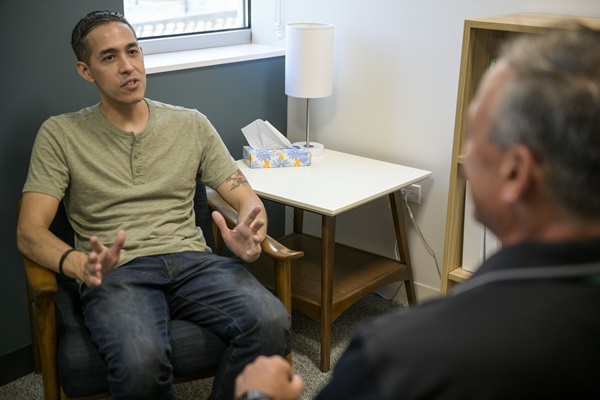
Post-traumatic stress disorder (PTSD) is one of the most widely recognized mental health conditions affecting veterans, but it is also one of the most misunderstood.
PTSD can develop after someone experiences or witnesses a traumatic event or life-threatening situation. It doesn’t look the same for everyone, but common PTSD symptoms can include:
- Intrusive memories.
- Nightmares.
- Avoidance.
- Hypervigilance.
- Sleep problems.
- Changes in mood, relationships, or daily functioning.
According to the U.S. Department of Veterans Affairs (VA), 7 out of every 100 veterans will experience PTSD at some point in their lives. In its most recent Warrior Survey*, Wounded Warrior® (WWP) found that PTSD remains one of the most commonly self-reported health conditions among warriors, with 77% reporting symptoms associated with PTSD.
How PTSD Misconceptions Can Delay Treatment
Misunderstandings about PTSD don’t just create confusion—they delay care.
Many veterans hesitate to seek support because of common myths about what PTSD is, who it affects, and what recovery looks like. Over time, those beliefs can make healing feel distant or even impossible.

“There are a lot of misconceptions about PTSD. Those beliefs often reinforce the stigma around PTSD, and keep people from seeking help,” says Dr. Erin Fletcher, director of Warrior Care Network® at WWP®.
Warrior Care Network is a partnership between WWP and four academic medical centers. It provides specialized care for military personnel, veterans, and their families who are living with PTSD, traumatic brain injury, military sexual trauma, and related conditions.
Dr. Kevin Hiner, a clinical psychologist at Rush University’s Road Home Program, part of Warrior Care Network, says PTSD is a natural response to overwhelming experiences.
“Having reactions to a traumatic situation is a sign that someone is human, not weak or broken,” says Dr. Hiner, an Air Force veteran. “People who have been exposed to the same traumatic event may respond in different ways, which is often what can lead to confusion and misunderstanding about PTSD.”
10 Common Myths and Facts About PTSD
There are countless myths about PTSD, treatment, and its effects on quality of life. Below are 10 common myths that Drs. Fletcher and Hiner hear most often — and the facts they want veterans and families to understand.
Myth No. 1: Only Combat Veterans Get PTSD
Fact: PTSD can affect anyone who experiences trauma.
While PTSD is often associated with combat veterans, anyone can develop PTSD after experiencing or witnessing a traumatic event, including sexual trauma, medical emergencies, serious injuries, and witnessing death or violence.
“Trauma is relative to each person and to their experiences,” Dr. Fletcher says, noting that not every traumatic event will lead to PTSD.
Dr. Hiner adds that people respond to trauma differently based on factors like past experiences, coping skills, environment, and support systems.
“Two people can experience the same event and respond very differently, which is why tailored treatment is so important,” he says.
Personalized treatment is one of the hallmarks of Warrior Care Network.
The takeaway: PTSD is not limited to combat, and it doesn’t affect everyone the same way. Recovery isn’t one-size-fits-all, either.
Myth No. 2: PTSD Symptoms Always Appear Right Away
Fact: Symptoms can develop months, even years later.
Trauma affects people in different ways and on different timelines. Some people notice symptoms soon after a traumatic event. For others, symptoms may not surface or start interfering with daily life until much later.
“Not every exposure to trauma leads to PTSD,” Dr. Hiner says. “Most people will have some type of reaction after a traumatic experience, but for many people, those reactions naturally decrease over time.”
The takeaway: PTSD symptoms don’t follow a timeline. They can appear long after a traumatic experience but deserve attention.
Myth No. 3: PTSD Never Gets Better
Fact: Treatment can help veterans make meaningful progress.
Having PTSD does not mean recovery is out of reach.
“There may always be painful emotions associated with a traumatic experience, but PTSD is not a lifetime diagnosis. Treatment can be effective,” says Dr. Hiner.
Both he and Dr. Fletcher note that recovery from PTSD doesn’t mean someone will never struggle again. Healing is about building the tools to navigate difficult moments with more control, stability, and less spillover into other parts of life.
“Recovery may not mean symptoms disappear completely, but treatment can help reduce their impact on daily life,” says Dr. Fletcher.
The takeaway: Recovery isn't about erasing the past. It's about reducing the impact of PTSD to live more fully.
Learn more about resources and support for PTSD.
Myth No. 4: My Trauma Wasn’t ‘Bad Enough’ to Matter
Fact: Trauma affects everyone differently.
Many veterans downplay their experiences by comparing themselves to others.
“It’s incredibly common in the veteran population; this mindset of, ‘Other people had it worse than me,’” says Dr. Fletcher.
When people compare their experiences, they often push aside what they are feeling. But trauma is not measured on a scale. What matters is how an experience affects you and your life, she adds.
“Veterans deserve support regardless of how their experiences compare to someone else’s. You do not have to earn the right to ask for help,” says Dr. Fletcher.
The takeaway: You do not have to prove your trauma to deserve support. If it affects you, it matters.
Myth No. 5: Ignoring PTSD Symptoms Will Make Them Go Away
Fact: Avoidance can make symptoms worse over time.
Some veterans believe that pushing away difficult memories or emotions will eventually make PTSD symptoms fade. In reality, the opposite is often true.
“PTSD is a disorder of avoidance,” says Dr. Hiner. “Avoiding triggers or reminders of trauma may work well in the short term, but if we continue to push memories down and avoid difficult thoughts and emotions, they can grow stronger over time.”
Eventually, he adds, those symptoms can begin to affect relationships, sleep, work, or daily functioning.
Dr. Fletcher says PTSD symptoms can also affect loved ones over time.
“If someone is living with untreated PTSD, their symptoms can affect the entire family, especially if loved ones begin to adapt around certain behaviors,” Dr. Fletcher says. “Everyone tries to just keep the peace, but this can sometimes lead to what’s known as secondary traumatic stress.”
That’s one reason Warrior Care Network incorporates family education and support into treatment programs.
“Education helps families better understand PTSD, learn how to support their loved one, and build healthier ways to cope together,” adds Dr. Fletcher.
The takeaway: Ignoring PTSD doesn’t make it disappear. Treatment can help veterans and their loved ones move forward.
Myth No. 6: PTSD Means Someone is Weak or Dangerous
Fact: PTSD is a human response to trauma.
“People often believe that their PTSD symptoms are a reflection of weakness rather than real responses to extreme stress,” says Dr. Hiner.
PTSD symptoms are rooted in the body’s survival system. They are biological and psychological responses to fear or perceived threats, not a desire to harm others.
“A person may not choose whether they experience fight, flight, or freeze responses during a traumatic event — or when the memory is triggered. However, treatment can reduce the intensity of response and provide the skills for someone to more accurately assess whether they are in danger,” he explains.
With the right care, veterans can better understand these responses and learn how to manage them.
The takeaway: PTSD is not a sign of weakness or danger. It is the body’s way of processing trauma. It can be treated.
Myth No. 7: Talking About My Trauma Will Make My PTSD Worse
Fact: Treatment helps veterans process trauma safely.
“Many veterans hesitate to get care because they think treatment is going to be more painful than the trauma itself,” says Dr. Fletcher. “This couldn’t be further from the truth.”
The American Psychological Association recommends several evidence-based therapies for PTSD, including cognitive processing therapy and prolonged exposure therapy. These approaches help veterans safely process traumatic memories and reduce the fear over time, says Dr. Hiner.
“PTSD treatment helps the brain and body recognize that the trauma is no longer happening, challenge unhelpful thinking patterns, and process emotions associated with trauma,” he says.
While some therapies may sound intimidating, many participants of Warrior Care Network are surprised by how supportive treatment feels.
“We provide care in a safe and intentional way, with a team of experienced clinicians who monitor participants throughout the process,” Dr. Hiner explains. “This allows veterans to gradually process difficult experiences, reduce fear, build confidence, and regain control over their daily lives.”
The takeaway: Guided support makes processing trauma safer and more manageable.
Myth No. 8: It’s Too Late for PTSD Treatment to Help
Fact: It’s never too late to benefit from treatment.
Many veterans wait years before seeking support, often believing that too much time has passed for treatment to make a difference. In reality, research shows recovery is possible, no matter how long ago the trauma occurred.
“One of the biggest misconceptions about PTSD is the belief that nothing can help after years of struggling. But what we see every day is people making progress,” says Dr. Fletcher.
“We’ve worked with veterans from multiple generations, including Vietnam veterans, who experienced substantial improvement through treatment,” says Dr. Hiner.
The takeaway: Don’t let time limit your healing. Treatment can be beneficial, even years later.
Myth No. 9: PTSD Treatment Takes Years to Work
Fact: Many veterans improve in weeks, not years.
There’s a common belief that PTSD treatment requires years of counseling or therapy before symptoms improve. However, accelerated treatment models are changing that perception.
“We’re seeing many veterans progress faster than expected thanks to treatment becoming more effective, more accessible, and more personalized,” says Dr. Fletcher.

Programs like Warrior Care Network provide evidence-based therapies, such as prolonged exposure therapy and cognitive processing therapy, alongside peer support and family services in a condensed timeframe.
For instance, many veterans receive more than 70 hours of direct clinical care in as little as two weeks.
The results have been significant, says Dr. Fletcher. Veterans who enter Warrior Care Network with severe PTSD can reduce their symptoms to moderate or mild levels in about two weeks, on average, compared to three or more months with traditional therapy.
“We’re seeing veterans make meaningful progress much faster than many people expect. And we’re continuing to look at alternative formats, even shorter timeframes, and other ways to expand access to care so more veterans can benefit,” adds Dr. Fletcher.
The takeaway: With the right care, recovery can be faster than you expect.
Myth No. 10: If One PTSD Treatment Fails, Nothing Will Help
Fact: PTSD treatment options continue to evolve to meet veterans’ needs.
“Not every treatment works for every warrior, which is why continued research and innovation are so important,” Dr. Fletcher says. “We’re constantly learning more about PTSD and how to better support veterans in their recovery.”
She says one advantage of Warrior Care Network’s partnership model is that it enables academic medical centers to quickly move promising research into real-world treatment programs for veterans.
“Warrior Care Network has the advantage of being nimble,” Dr. Fletcher explains. “It allows our academic medical partners to develop, test, and implement new treatment approaches much faster than traditional systems.”
Research supported by WWP is helping expand and personalize PTSD care, including the use of innovative technologies like virtual reality, repetitive transcranial magnetic stimulation, and artificial intelligence.
As a founding member of the VALOR Coalition, and in alignment with Warrior Care Network’s academic medical center partners, WWP is also supporting clinical trials and research around alternative therapies like psychedelic-assisted therapies for PTSD.
Growing research suggests these therapies may help some veterans who have not responded to traditional treatment.
“Healing looks different for every warrior. We want to ensure that every veteran has access to safe, effective care they deserve," Dr. Fletcher says.
The takeaway: If one treatment doesn’t work, other options exist. PTSD care continues to evolve.
Support for Veterans Living with PTSD
Veterans do not have to navigate PTSD alone.
“Wounded Warrior Project is here to help veterans and their loved ones find the care and support they need to heal from PTSD,” says Dr. Fletcher. “There is a lot more hope today than even 10 years ago, and every day, we see people getting better.”
Learn more about resources and support for PTSD.
*Warrior Survey, Wave 3 (conducted June 15 - Aug. 24, 2023)
Contact: Cynthia Weiss – Public Relations, cweiss@woundedwarriorproject.org, 904.738.2589
About Wounded Warrior Project: Wounded Warrior Project® (WWP) is the nation’s leading veterans service organization, focused on the total well-being of veterans, active-duty service members, and their families. Our programs, advocacy, and awareness efforts help warriors thrive, provide essential lifelines to families and caregivers, and prevent veteran suicides. Learn more about Wounded Warrior Project.
Post-Traumatic Stress Disorder (PTSD) is a condition that can develop after a person is exposed to a traumatic event. It can disrupt daily activities and overall quality of life...
U.S. Army veteran Frank Sonntag was near an explosion in Iraq in 2004. He felt the shockwaves of the explosion as he hunkered down to protect himself. When the shockwaves passed, he checked for...
“Did you meet in the military?” It’s a question many veteran couples hear. Although Jackie and Randy Price both proudly served in the United States Navy, their love story didn’t begin on a...