Living with PTSD: How One Veteran Couple Rebuilt Their Relationship and Found Healing Together
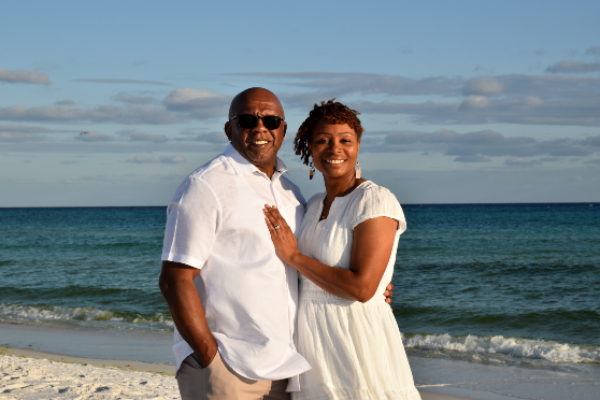
“Did you meet in the military?”
It’s a question many veteran couples hear.
Although Jackie and Randy Price both proudly served in the United States Navy, their love story didn’t begin on a ship. Instead, their paths crossed at a Virginia church where Randy was working after his military service. At the time, Jackie was still on active duty but looking for ways to serve outside of her uniform.
The two formed a connection. They shared similar values and a mutual commitment to faith, service, and community. They married in 2006 and began blending their lives. Jackie brought two children, and Randy one.
They also brought their past.
“For years, I didn’t even know something was wrong,” Jackie says.
Neither did Randy, especially since they rarely argued.
“I didn’t think of anything as bad back then,” Randy recalls, adding that they lived their lives based on a lesson learned in childhood: “If it isn’t broken, don’t fix it.”
Over time, the Prices learned that avoiding conflict didn’t mean things were fine.
It wasn’t until the couple connected with Wounded Warrior Project® (WWP) that Jackie and Randy understood how much they had been carrying. Both had unprocessed experiences from childhood and the military that were affecting their marriage in ways they couldn’t yet name.
Once we got involved, we saw it was really about connection.
With WWP's help, the Prices began to heal individually and strengthen their relationship.
Now they are on a mission to help other veteran families do the same.
For Structure and Duty
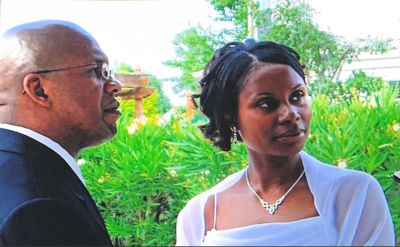
Jackie joined the Navy at 17, seeking structure and stability she didn’t have growing up. She served for more than 27 years, rising from an enlisted logistics specialist to a certified registered nurse anesthetist.
Randy, who grew up in a single-parent household, also valued the military’s structure but joined because he felt a sense of responsibility to help his family. Serving in the Navy spoke to his sense of duty. He spent 13 years as a culinary specialist before moving into procurement.
When they married, they fell into more traditional roles.
“I saw my role as taking care of my family,” Randy says. “That’s what a husband does.”
Jackie grew up watching women quietly follow their spouses' lead, so she often set her own needs aside.
“For the first seven years of our marriage, I didn’t have a voice,” she says. “I agreed with a lot of things. Looking back, it’s almost funny to see who I was then compared to who I am now.”
An Unexpected Introduction
Jackie and Randy’s connection to WWP began almost by accident. While attending a yoga class, they met a fellow yogi who worked with the organization and encouraged them to get involved.
Randy admits that they both believed WWP wasn’t for them. “We’d heard the name, but we thought it was only for people who were physically injured,” he says.
Curious though, they attended an event and quickly realized WWP offers so much more.
“Once we got involved, we saw it was really about connection. Being around people who understand military life and what families are dealing with,” says Randy.
They started showing up, joining group outings and attending peer support meetings. Over time, they formed relationships with others like them.
Find Connection Opportunities Near You
From Curiosity to Healing
It was during a peer support meeting, as Jackie listened to another veteran share his personal experiences with WWP’s accelerated brain health treatment program, Warrior Care Network, that something clicked.
I needed to take responsibility for my own healing.
“He shared things he’d been carrying for years,” Jackie says. "Although his story didn’t mirror mine, I recognized pieces of myself in it. I remember thinking, maybe something is going on with me, too.”
That moment sparked curiosity. Jackie began exploring WWP’s mental health programs, including WWP Talk, an emotional support program.Through it, she began to give names to what she was feeling and thinking.
“WWP helped me see what I had been carrying for years,” Jackie says. “The programs and resources gave me the space to look at myself honestly and the support to start doing something about it.”
Finding the Road to Healing
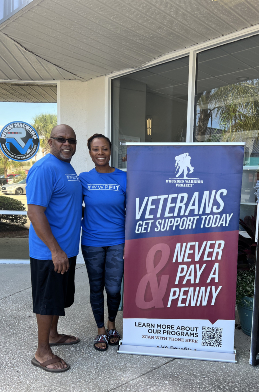
That peer mentor’s story stayed with Jackie. She didn’t know what to expect, but she wanted to feel better. She wanted healing.
“I didn’t deploy, so I didn’t think of myself as someone with trauma,” says Jackie.
Over time, she started to wonder if that belief was keeping her stuck. She decided to take the next step and enrolled in Warrior Care Network at Rush University’s Road Home program.
During the two-week program, Jackie learned more about post-traumatic stress disorder (PTSD) and how it can build over time. “I thought things I experienced were just part of life … and how you behaved in the military. But when I went through Warrior Care Network, I realized it wasn’t one big event. It was years of things I never stopped to feel,” she explains.
“When you don’t process things, they don’t go away. They show up years later in your relationships and your reactions. I realized I had never dealt with what I lived through.”
What is Warrior Care Network?Warrior Care Network is a collaboration between Wounded Warrior Project® and four leading academic medical centers. These specialized programs provide outpatient, accelerated brain health treatment for military service members and veterans with PTSD, traumatic brain injury, military sexual trauma, and related conditions. In 2025, Warrior Care Network celebrated 10 years of helping veterans find lasting relief. Since its launch in 2015, the program has helped thousands of warriors and family members regain stability, strengthen relationships, and build long-term coping skills. |
Finding Your Voice and Learning to Listen
As Jackie gained insight, her confidence grew. But the couple’s marriage began to change.
“It was like we were suddenly speaking two different languages,” Randy recalls.
“When I started owning my voice, that’s where the contention began,” Jackie says. “I was becoming a different person, but we didn’t yet have the tools to navigate that.”
Marriage is about learning how to come back to each other.
Randy wanted to support his wife, but he felt lost.
“The way I was raised, I thought being a husband meant taking care of everything and not talking about it,” he says. “That’s what I knew how to do.”
But Jackie didn't need her husband to fix her. She needed him to listen.
“I realized that she’s not trying to fight me, she’s trying to be honest and talk to me about what’s going on inside," Randy says. “I had to learn how to hear her.”
Being Honest and Open to Growth
Randy remembers a saying he heard early in his Navy career: “If it doesn’t come in your sea bag, you don’t need it.”
Sailors, he says, were taught to be strong, independent, and keep things to themselves. But as he tried to navigate his spouse’s PTSD journey, “those habits just weren’t working anymore.”
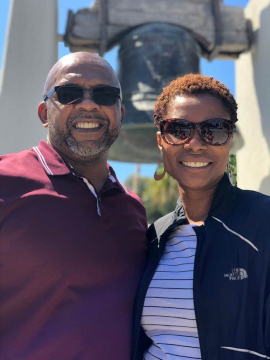
Their relationship was fragile. Randy admits there were moments he thought about leaving.
“We’d have disagreements, and I’d go straight to my computer and start looking for jobs in different states,” he says. “I didn’t think [marriage] was going to work.”
But the couple held tight to their vows.
“We were committed to each other, but not liking each other,” says Jackie, who encouraged Randy to seek support for himself.
At first, Randy says he was resistant.
“I didn’t want to accept that I needed help,” he admits. “Eventually, I realized that avoiding the work wasn’t serving me or my family. To be the best spouse – and person – I needed to be honest with myself. I needed to take responsibility for my own healing.
The Right Tools and Skills For Success
As Randy began exploring different counseling and therapy options, Jackie saw an opportunity for them to grow together.
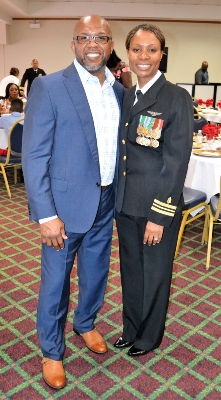
Her experience with Road Home was so positive that she decided to attend Warrior Care Network again. This time, she chose UCLA Health Operation Mend and asked Randy to join her.
Through counseling and caregiver-specific sessions, both learned practical skills to navigate PTSD within their relationship.
“Problems don’t go away. Triggers still happen. But now I tell Randy what my triggers look like so he can understand what’s happening,” Jackie says.
“There’s no magic wand,” says Randy. “The biggest shift for me was realizing I can’t fix it, but I can empathize. I can be patient. And I can listen.”
Jackie felt the difference. “He started listening instead of problem-solving. That changed everything,” she says.
Although challenges still occur, Jackie adds, “we’ve learned to communicate about them, and recover faster.”
Care and Connection Are Necessary for Both Partners
Randy expected to leave Warrior Care Network with tools to support Jackie. What surprised him was realizing he needed support, too.
“I thought I was just there for her, to know how to help her,” he says. “But listening to other caregivers and clinicians helped me see what I was carrying, too.”
One session stands out.
“They talked about how caregivers feel lonely and left out,” Randy says. “That was my turning point. Awareness opened me up.”
Today, both spouses carve out time for self-care.
“I make sure I’m filling myself up by walking, with meditation and exercise,” Jackie says.
Randy, who enjoys quiet time reading, also leans into meditation and exercise, noting golf, weight training, and yoga among his favorites.
Learn How WWP Supports Family Members and Caregivers
5 Tips for Couples Living With PTSD1. Realize PTSD doesn’t go away. 2. Learn each other’s cues. 3. Choose empathy over fixing. 4. Take care of yourself. 5. Ask for help — together or individually. |
It’s Never Too Late to Heal
Jackie encourages veterans to learn about PTSD and treatment options. Looking back, she realizes symptoms can look different from person to person, and they don’t always show up right away. For some, they surface years after service.
“So many people function in a state of unawareness,” says Jackie. “You’re functioning, but you’re not thriving. You feel something is wrong, but you can’t put your finger on it.”
Her message to others is simple: It is never too late to begin. “You can always become a better version of yourself.”
Randy agrees but adds that motivation has to be personal. “You have to want to be better, for yourself and for your family,” he says.
Healing That Lasts
“Healing isn’t a moment. It doesn’t stop when a program ends. It’s practice,” Jackie says. “Support is necessary at all stages of the journey. Having peers, clinicians, and family support – that’s what makes long-term change possible.”
Today, both spouses serve as advocates for Warrior Care Network, sharing their experiences with other veterans and at mental health events. Randy also leads a WWP peer support group for family members and caregivers.
“Military life can be tough on families,” Randy says. “If I can share tools that help, that gives me purpose.”
He adds that his perspective matters — especially for other men. “Caregivers don’t always realize they need help, too,” he says. “Men especially need to hear from other men who’ve been through it.”
This year, Jackie and Randy celebrate their 20-year wedding anniversary — a milestone they don’t take lightly. They credit WWP with helping them reach it.
“We didn’t have the tools at first, but we didn’t quit,” says Jackie. “WWP helped us understand what we were dealing with — and reminded us we didn’t have to do it alone.”
At the end of the day, that’s the secret to their success.
“Marriage isn’t about avoiding conflict,” Randy says. “It’s about learning how to come back to each other.”
Discover Opportunities to Connect with WWP.
Contact: Cynthia Weiss – Public Relations, cweiss@woundedwarriorproject.org, 904.738.2589
About Wounded Warrior Project
Wounded Warrior Project is our nation’s leading veteran services organization, focused on the total well-being of post-9/11 wounded, ill, or injured veterans. Our programs, advocacy, and awareness efforts help warriors thrive, provide essential lifelines to families and caregivers, and prevent veteran suicides. Learn more about Wounded Warrior Project.
Shea Hughes remembers the first time her husband Scott went out with other veterans from Wounded Warrior Project® (WWP). “He comes back, and there is this new excitement. And he said it would...
Meet veterans Jim and Jana Mylott. They have been together for 18 years and have a daughter and an adult son from Jim’s previous marriage. Jim is an Army veteran and Jana is an Air Force...

For many military service members, overcoming challenges and finding a way forward is part of the job. But when faced with mental health challenges – such as post-traumatic stress disorder...