Championing Heroes: How Wounded Warrior Project is Shaping the Future for Veterans

In 2025 and 2026, Wounded Warrior Project® (WWP) is taking its commitment to veterans to new heights, driving bold initiatives in front of Congress. These efforts advocate for the needs of wounded warriors and amplify their voices before policymakers to drive real change across the nation, shaping a stronger future for generations to come.
As the landscape of veteran care continues to evolve, WWP is pioneering innovative change to address the unique challenges faced by those who served. With an unwavering dedication to improving the lives of America's heroes, Wounded Warrior Project is ensuring that veteran voices are heard, and their sacrifices are never forgotten. Here’s a deeper look at how WWP is advocating for warriors, families, and their caregivers.
Mental Health and Suicide Prevention
Mental health conditions continue to be among the top service-related health issues reported by WWP warriors. WWP is focusing in on three key areas of improvement in this area: community coordination and training, access to care and workforce improvements, and substance use disorder, chronic pain, and emerging treatment. As part of this priority, WWP will be advocating for funding and alignment of new and ongoing efforts such as Department of Veterans Affairs (VA) Staff Sergeant Parker Gordon Fox Suicide Prevention Grant Program, the Governor’s and Mayor’s Challenges to Prevent Suicide, and Mission Daybreak to ensure a robust public health approach.
Brain Health and Traumatic Brain Injury
Brain trauma, specifically traumatic brain injury (TBI), has been deemed a “signature injury” for post-9/11 veterans, and affects many warriors WWP serves. WWP strives to enhance several key areas around brain health and TBI, with a focus on
prevention, tracking, and treatment at the forefront. WWP will promote policies across the lifespan of military service to ensure brain health and safety among both the active-duty and veteran populations. WWP will also commit to research that explores the course of neurological and cognitive functioning after TBI, as well as promote long-term care programs for younger veterans, including those who have suffered TBI in service.
Women Veterans
Women are the fastest-growing segment of the veteran population. They consistently break down barriers, but they experience unique challenges and gaps in care. WWP is committed to addressing those gaps, focusing on those involving financial wellness and improving cancer care. WWP will also advocate for legislation that expands access to gender-specific services at VA and through Community Care Network providers and empowers women veterans to make decisions about their health care.
Learn more about women warriors
Economic Empowerment

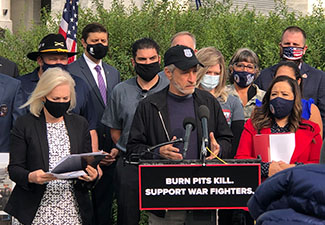
WWP warrior and Army veteran Danielle Green speaks at a press conference advocating for passage of the Major Richard Star Act.
Financial strain and unemployment remain top concerns among the warrior population. In fact, according to the WWP Warrior Survey*, over 64% of warriors indicated that at some point in the last year, they did not have enough money to make ends meet. To address this issue, WWP will push for legislation to create employment opportunities, and to allow VR&E to operate at its highest potential and expand access to more disabled veterans.
Another key priority is passage of the Major Richard Star Act. In 2024, Congress passed a law allowing military retirees with at least 20 years of service who are rated at least 50% disabled to collect their full Department of Defense (DoD) retired pay and their full VA disability compensation benefits with no offset. The Major Richard Star Act would allow veterans who were retired for combat-related injuries with under 20 years of service to do the same.
Transition Support
Transitioning from the military into civilian life can be a daunting and challenging process for veterans as they navigate health care, employment, and financial obstacles. WWP will work to advance policies to support warriors while they are still in the military and at/or near their transition to prepare them for the changes they face when adjusting to civilian life.
Toxic Exposure
WWP understands the need to unite as a nation to help veterans suffering from exposure-related illness and injuries from service. WWP aims to promote policies around overall access to care, cancer care for those impacted by exposure, and timely decision-making processes to ensure quality care for conditions that may be exposure-related.
Severely Wounded Service Members and Veterans
Our nation’s most severely wounded warriors and their families deal with complex, life-altering injuries that require ongoing, specialized support, particularly as they age and face additional health complications stemming from their injuries. WWP is committed to elevating the voices of every warrior through advocacy for policies to help veterans navigate the health system. Key aspects of this priority include ensuring veterans receive timely access to prosthetics and adaptive equipment, and continuous improvements to enhance VA prosthetic care. WWP will also advocate for caregivers supporting those with the highest needs, including support for efforts related to the Program of Comprehensive Assistance for Family Caregivers and planning for retirement or life after caregiving.
“These are WWP’s key legislative priority issues for the new Congress, but that doesn’t mean we won’t be working on other policies as well,” said Jose Ramos, vice president for government and community relations. “There are so many challenges that warriors face, and we are committed to improving their quality of life through bills and regulations that tackle a wide range of veterans’ issues.”
More information about WWP's legislative priorities and advocacy efforts.
Contact: Kaitlyn McCue, Public Relations, kmccue@woundedwarriorproject.org, 904.870.1964
About Wounded Warrior Project
Since 2003, Wounded Warrior Project® (WWP) has been meeting the growing needs of warriors, their families, and caregivers — helping them achieve their highest ambition. Learn more about Wounded Warrior Project.
Wounded Warrior Project® (WWP) worked extensively to see the SFC Heath Robinson Honoring Our PACT Act become law. The goal was reached on Aug. 10, 2022, helping improve the lives of our...

Service is uniquely engrained in all warriors, and for Caroline Fermin, communications and advocacy have always been key aspects of the meaning of service. She spent 25 years in the Marine Corps,...

The Senator Elizabeth Dole 21st Century Veterans Healthcare and Benefits Improvement Act is an omnibus veterans bill, meaning it contains a series of proposals focused on veterans. ...

WASHINGTON, DC, April 10, 2025 – Wounded Warrior Project® (WWP), joined by a coalition of top military and veterans service organizations, is leading the charge to help more than 50,000 wounded...