PGA Tour Caddie’s Quiet Legacy Lives on Through Support for Veterans

Clarence “Wayne” Beck’s name may not be on a trophy, but in the golden era of professional golf, it carried weight among champions. Years later, that same name would leave a lasting mark on the lives of wounded veterans.
As a veteran PGA Tour caddie, Wayne walked the fairways with some of the game’s greats – David Graham, Jerry Pate, Andy Bean, Dave Hill, Hubert Green – during an iconic era in the 1970s and ’80s. He played a key role in David Graham’s 1981 U.S. Open win at Merion Golf Club and capped off his storied 45-year career on the Senior PGA Tour as Arnold Palmer’s personal caddie for more than a decade.
To carry the bag for “The King” was a mark of skill and character, and Wayne brought both in abundance. His time with Palmer took him to the biggest stages in golf, where his quiet confidence and expert green reading helped shape championship performances. He saw the game at its highest level – and players noticed.
“He had a sixth sense for the game,” said Jerry Pate, a longtime friend and the 1976 U.S. Open champion. “Wayne didn’t talk much, but when he did, you listened. He had a calm presence that kept you grounded when the pressure was on.”
Wayne’s career also included memorable rounds with legendary Alabama football coach Nick Saban, including appearances at the AT&T Pebble Beach Pro-Am. But among his proudest moments was crossing the famed Swilcan Bridge at the Old Course in St. Andrews during Arnold Palmer’s final historic Open Championship round.
Wayne Beck was more than a caddie – he was a student of the game, a master strategist, and a mentor to golfers under pressure. Known for his quiet demeanor, deep knowledge, and unwavering work ethic, Wayne earned the respect of players, officials, and fellow caddies alike.

Wayne Beck (left) caddies for legendary Alabama football coach Nick Saban.
Going Beyond the Green
That same quiet integrity extended far beyond the course – especially in Wayne’s devotion to fellow veterans and causes like Wounded Warrior Project® (WWP).
“Wayne always believed that while we were out playing golf, we were fortunate,” Pate recalled. “Because people were willing to serve and protect our country so we could do what we loved.”
Wayne grew up in Alabama, played golf at Howard College (now Samford University), and served in the Air National Guard before finding his way to the PGA Tour.
After retiring from the tour, Wayne settled in North Carolina. Before his passing in 2022 at age 78, Wayne made a thoughtful decision that honored both his service and his values: He included WWP™ in his estate plans, ensuring his support for veterans would carry on for generations.
“Wayne was a veteran, and he wanted the money from his estate to go to wounded warriors,” Pate said. “He believed in it.”
Helping Wounded Warriors Thrive for a Lifetime
Wayne’s legacy gift is now helping post-9/11 wounded veterans heal and thrive through free programs that support their mental and physical health, financial wellness, and independence.
From pioneering mental health treatments to adaptive sports, career counseling, financial education, and community-building events, WWP is there for warriors and their families at every stage of recovery, thanks to support from people like Wayne.
His generosity is helping redefine how our nation supports wounded warriors – and it’s a reminder that no matter your path in life, you can help shape a better future for those who served.
Today, Wayne Beck’s legacy lives on – not just in the world of professional golf, but in the lives of injured veterans who are finding hope and purpose through WWP.
Learn how you can honor veterans and leave your own legacy of support.
Contact: Gracie Scribner, Public Relations, gscribner@woundedwarriorproject.org, 904.489.5295
About Wounded Warrior Project
Wounded Warrior Project is our nation’s leading veterans service organization, focused on the total well-being of post-9/11 wounded, ill, or injured veterans. Our programs, advocacy, and awareness efforts help warriors thrive, provide essential lifelines to families and caregivers, and prevent veteran suicides. Learn more about Wounded Warrior Project.


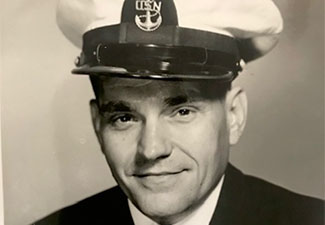
Dick Henry was a common sight around his Piney Island neighborhood in Fernandina Beach, Florida. As with most everything he did, he walked with a sense of purpose and commitment. Sometimes he’d...
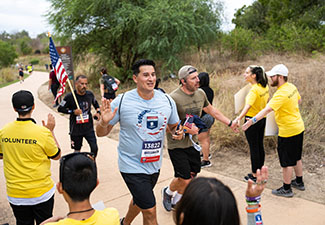
For 20 years, Wounded Warrior Project® (WWP) has grown and adapted to meet the changing needs of injured veterans, service members, and their families. WWP’s mission to honor and empower...
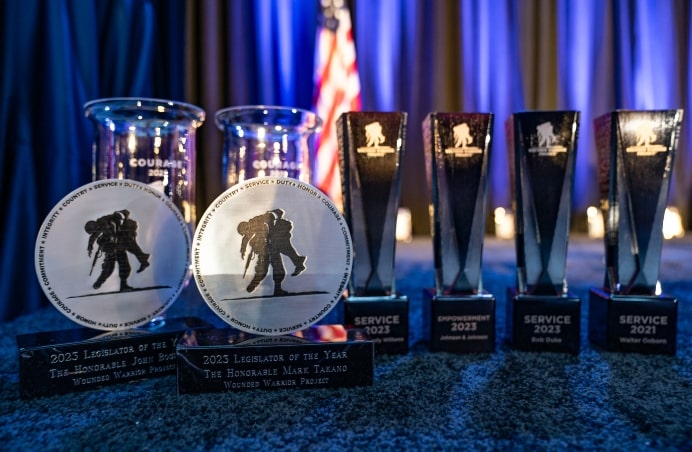
On Sept. 14, Wounded Warrior Project®(WWP) honored America's wounded warriors and the supporters who make it possible for WWP to provide free life-changing...