Wounded Warrior Project Shares Guidance on Claims Assistance Services
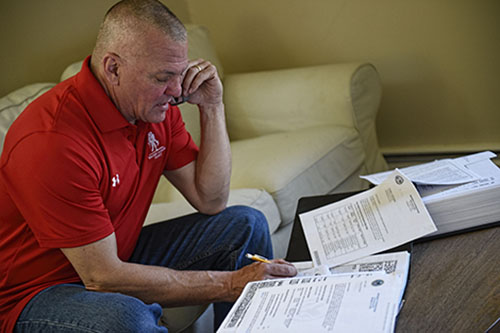
VA-Accredited Organizations Like Wounded Warrior Project Can Help Veterans File VA Claims for Free
Raising a right hand to serve the nation is a commitment. Benefits from the Department of Veterans Affairs (VA) are what service members and veterans earn through that commitment.
While filing a VA claim can be complicated, it’s important to know that not every offer of “help” is legitimate. Some businesses or individuals may charge veterans excessive fees for claims assistance or make unrealistic promises about disability ratings or compensation.
Veterans service organizations like Wounded Warrior Project® (WWP) can help veterans navigate the complexities of applying for VA disability compensation, rating changes, or pensions.
“Veterans have earned their benefits through service and sacrifice. They should never have to pay fees to access them when accredited organizations stand ready to help at no cost,” said Ian Taube, national service director for the Benefits Service program at WWP®. “Veterans should know that legitimate help filing VA claims is available at no cost through VA-accredited organizations for free. Unfortunately, some companies still attempt to profit from Veterans by charging excessive fees for services that VA-accredited representatives provide at no cost.”
Some businesses take advantage of veterans by charging excessive fees for VA claims assistance, sometimes making unrealistic guarantees about improving disability ratings or securing compensation.
Veterans can file claims on their own behalf for free through VA, and they also have access to numerous veterans service organizations (VSOs) accredited by VA that can help them file claims free of charge.
While VSOs can’t guarantee a positive result, many, like WWP, have the expertise and experience to help veterans collect the benefits they deserve in a manner that honors their service.
“Those who served our country have earned both our respect and our support,” Taube said. “They have also earned the benefits promised to them through their service. Our responsibility is to ensure veterans are heard, supported, and empowered with accurate information and trusted advocacy.”
Why Accreditation Matters
VA accreditation protects veterans by setting quality standards for those who can help file VA claims. One of the main deciding factors for accreditation is a good reputation, so an inability to get accredited may be a warning.
Some veterans may not realize that it’s illegal for an unaccredited company or agent to file a claim on their behalf. However, there are no penalties for violating this law, so there is little to deter bad actors from profiting from it.
Since VA-accredited agents and organizations also have specific rules and standards they must follow, companies seeking large profits may purposely avoid seeking accreditation.
“Just as you would want a certified mechanic working on your vehicle, veterans deserve VA-accredited professionals assisting with their benefits claims," Taube said. "This accreditation confirms that representatives are trained, accountable, and operating within the legal framework established to protect veterans.”
There are accredited agents, such as attorneys, who charge for their services. However, they are bound by VA’s conduct rules, which limit the amount they can charge.
Another thing veterans need to know is that if they sign a contract with an unaccredited for-profit, it can be hard to get out of. According to VA, around 40% of all complaints filed with the agency concern unaccredited companies and agents.
Find out what WWP’s Benefits Service program can do for you.
The PACT Act and Predatory Claims Practices

The passage of the PACT Act resulted in many more veterans qualifying for VA benefits.
In August 2022, the SFC Heath Robinson Honoring Our Promise to Address Comprehensive Toxics (PACT) Act was signed into law. The passage of the PACT Act resulted in many more veterans exposed to toxic substances qualifying for VA benefits.
While the PACT Act was a significant legislative win for veterans nationwide, it also created opportunities for fraudulent and predatory practices targeting eligible veterans.
Since the law was enacted, more than 1 million claims related to the PACT Act have been approved by VA, which has had a record-breaking number of claims applications. Naturally, the increase in claims created a backlog. As more veterans file claims and wait longer, some may be tempted to turn to questionable services that promise faster results, but that's not possible.
VA also has a website and call center (833.388.7233) for veterans and their family members to report benefit scams and fraud.
Tips When Looking for Claims Assistance
1. Be cautious with contracts.
Some predatory claims companies use confusing tactics or ambiguous language in contracts, purposely designed to mislead the veteran.
If asked to sign a contract, don’t sign it right away. Have someone independent of the company look at it or align with a VSO, such as WWP’s Benefits Services team, to evaluate and inform you of the free services available.
2. Watch out for false promises.
No individual or company can fast-track a VA claim or get it to the “top of the pile.”
VA claims are processed in order of when they are received, with a few exceptions. Those exceptions can include terminal illnesses, advanced age (85 or older), or homelessness, but are never based on the veteran paying someone. WWP’s Benefits Team’s mission is to help warriors get the benefits they've earned in a manner that honors their service. WWP helps warriors understand and access earned benefits. WWP does not decide outcomes but helps warriors navigate the VA system.
“Every veteran’s claim is unique. Ethical and accredited representatives cannot guarantee an outcome, but experienced advocates can ensure veterans submit the strongest and most accurate claim possible,” Taube said.
3. Be wary of being sent to specific doctors.
Some unethical companies will refer veterans to a specific doctor, suggesting that using their medical professionals will help improve a medical claim or guarantee a certain diagnosis. However, veterans will still be required to take a compensation and pension (C&P) exam and submit a Disability Benefits Questionnaire (DBQ), which VA reviews closely.
Because VA is becoming more proactive in identifying inaccuracies in DBQs, it may outright reject a claim or ask the veteran to refile, causing more issues.
A reputable organization will inform the veteran about what type of medical evidence they need and what to expect from the C&P exam, so they can be prepared and provide a thorough and accurate claim.
4. Look out for high “consultant” fees or a percentage of payments.
Since unaccredited agents aren’t legally allowed to file a claim for a veteran, they may charge a high fee to “consult” with a veteran about their claim. Fees for this “service” could be included in a contract and may be excessively high. Some companies also request a percentage of the veteran’s benefits, which could be a large chunk of any backpay the veteran receives, years of paying a percentage of their monthly disability income, or both.
Unaccredited companies may charge additional fees if a disability rating is increased, regardless of who performed the work that led to the increase.
5. Confirm VA accreditation.
This tip bears repeating. There’s likely a reason that an agent or company isn’t accredited with VA, and the reason is unlikely to benefit the veteran. Accredited organizations and companies are subject to rules that promote transparency and prevent overcharging.
VA provides a searchable database of accredited VSO representatives, attorneys, and agents to help veterans navigate the benefits process and avoid fraudulent tactics.
“Veterans should never feel pressured to pay for assistance that is already available to them for free,” Taube said. “VA accreditation exists to ensure veterans receive knowledgeable, ethical support throughout the claims process. Accredited representatives complete rigorous training and continuing education so they can help veterans submit strong, accurate claims and avoid unnecessary delays, while advocating throughout. At WWP, our accredited team goes beyond the paperwork by providing personalized guidance and standing with veterans every step of the way to help them secure the benefits they have earned.”
Veteran-First Approach
WWP is committed to supporting post-9/11 injured service members, veterans, and their families on every step of their journey. WWP warriors can get free assistance filing for VA benefits, appealing a claim, preparing for a C&P exam, and more.
But WWP’s services don’t just stop at benefits. The Benefits Services team can help connect warriors to other programs and resources, including mental health, physical health and wellness, and financial education.
Regardless of where a veteran is on their journey, there’s no need to go at it alone.
Find out more about WWP’s programs and services.
Contact: Paris Moulden, Public Relations, pmoulden@woundedwarriorproject.org, 904.570.7910
About Wounded Warrior Project
Wounded Warrior Project® (WWP) is the nation's leading veterans service organization, focused on the total well-being of post-9/11 veterans, active-duty service members, and their families. Our programs, advocacy, and awareness efforts help warriors thrive, provide essential lifelines to families and caregivers, and prevent veteran suicides. Learn more about Wounded Warrior Project.
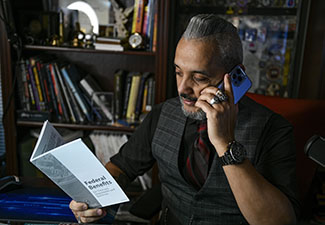
Veterans and service members have sacrificed so much to protect us, so it’s important to protect them from scams, fraud, and predatory practices that target the benefits they’ve earned through...
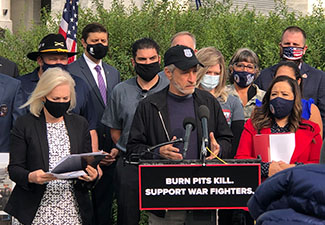
Wounded Warrior Project® (WWP) worked extensively to see the SFC Heath Robinson Honoring Our PACT Act become law. The goal was reached on Aug. 10, 2022, helping improve the lives of our...
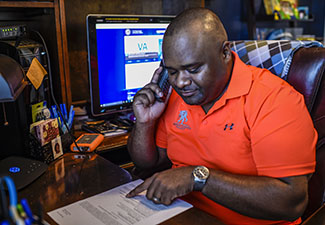
Applying for veterans benefits can be a complex and confusing process, and many service members and veterans may not know how to navigate the process — or even get started. The Benefits Service...
If you are on active duty and within a certain date range from discharge, you can potentially file for disability benefits from the Department of Veterans Affairs (VA) and get a head start...