Life After Trauma: Helping Veterans Understand Post-Traumatic Growth

For many veterans, life after military service can look very different from what they expected. This is particularly true for men and women who have experienced trauma, including post-traumatic stress disorder (PTSD).
But research from the Department of Veterans Affairs (VA) shows that with the proper support and resources, most veterans can turn their trauma into something more positive.
What is Post-Traumatic Growth?
VA defines post-traumatic growth (PTG) as positive and meaningful changes in thinking and behavior that can happen after someone experiences trauma.
The concept of PTG is rooted in positive psychology and the study of how people can thrive, not just survive, said Erin Fletcher, Psy.D., director of Warrior Care Network at Wounded Warrior Project® (WWP).
“Post-traumatic growth is about reframing past trauma in a more empowering way, to help you become stronger, more resilient, and more fulfilled,” Dr. Fletcher explained. “It is about finding meaning from the pain to create a new sense of self and purpose.”
According to the most recent Warrior Survey,* warriors served by Wounded Warrior Project (WWP) who reported higher levels of post-traumatic growth also reported a higher quality of life.
What Defines Post-Traumatic Growth
Post-traumatic growth doesn’t happen by checking off a list of steps. It’s a unique journey where people tend to show growth in one or all of these areas:
- Deeper relationships: Strengthening existing bonds or forming new ones based on trust and openness.
- Awareness of new possibilities: Seeing and embracing opportunities for the future. This could include exploring creative outlets, volunteering, or finding a new career path.
- Spiritual change: Re-examining beliefs or finding renewed faith.
- Greater appreciation for life: Valuing everyday moments more fully and expressing gratitude for them.
- Recognition of personal strength: Realizing you’re more capable than you thought.
Post-Traumatic Growth and PTSDIt’s a misconception that post-traumatic growth (PTG) only occurs if you have post-traumatic stress disorder (PTSD). The two are related to trauma, but they are very different. PTSD is a mental health condition that may develop after trauma, marked by symptoms such as intrusive memories, hypervigilance, or avoidance. Post-traumatic growth (PTG) is the positive psychological change that can occur after trauma, whether that trauma comes from combat, a car accident, or the loss of a loved one. A diagnosis of PTSD is not necessary to experience post-traumatic growth. “Not everyone who experiences trauma will meet the criteria for PTSD. But anyone can benefit from the mindset shift that post-traumatic growth offers,” says Dr. Fletcher. The two can also coexist. “A veteran may still have flashbacks or anxiety while also developing a stronger sense of purpose, resilience, and appreciation for life,” Fletcher adds. |
“Growth comes from the belief that ‘I am a strong, capable person who can bounce back from this and find meaning’,” said Dr. Fletcher.
She adds that growth in one area can lead to improvements in others, but there is no set timetable.
How to Foster Post-Traumatic Growth
While every veteran’s path to healing is unique, certain practices and support can help foster post-traumatic growth.
Dr. Fletcher offers this advice:
- Acknowledge the trauma, don’t avoid it. While avoidance may provide short-term relief, it can stall long-term growth.
- Engage with purpose. Identify what matters to you and seek opportunities to focus on it intentionally.
- Practice gratitude. Being mindful of positive things, no matter how small, can shift perspective.
- Seek connection. Growth thrives in community, not isolation.
- Use available support. WWP offers no-cost resources to help veterans and their loved ones build connection, resilience, and pathways to healing.
“Programs that support connection and mental and physical well-being, like WWP’s Project Odyssey and Soldier Ride, are valuable in helping veterans identify and foster development. So, are intensive treatment programs like Warrior Care Network. But ultimately, post-traumatic growth unfolds through lived experiences,” said Dr. Fletcher.
Learn more about available programs from WWP that can support your post-traumatic growth.
What Does Post-Traumatic Growth Look Like in Real Life?
“Success is not the absence of struggle,” Dr. Fletcher said. “Success is the willingness to move through the struggle.”
For WWP warriors, including Matthew Templeton, Juan Valdez, and Tonya Oxendine, that willingness is at the heart of post-traumatic growth. True growth happens in the journey itself, not in reaching a destination, they say. Learn more about their experiences and how every challenge and step forward becomes part of the path to resilience and strength.
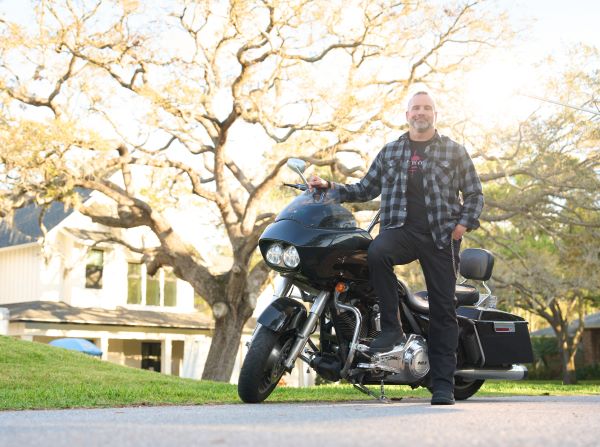
Matthew Templeton

Matthew and his family.
“I used to think I was resilient until I experienced trauma. I then learned quickly that I wasn't properly trained to handle life's experiences,” says Matthew, noting that he originally thought resilience was pushing down feelings of stress, sadness, or worry and staying focused.
Being turned away the first time he sought support cemented this mindset. Over time, as he grappled with severe anxiety, depression, and questions of faith, he began to wonder if the world would be better without him.
A friend kept encouraging Matthew, though, and recommended WWP. Although he’d been introduced to WWP not long after separating from the military in 2007, it took him over a decade to engage. In 2019, he attended a Project Odyssey mental health retreat and Warrior PATHH, a program from Boulder Crest Foundation, which gave him hope.
|
If you, or someone you know, needs support, you can call, text, or chat with the National Suicide Prevention Lifeline. Call 988 or contact the Crisis Text Line by texting "TALK" to 741741 |
“Through these programs, I learned to take what I went through and change my mindset,” he shares. “I went from 'I'm broken' to 'It's not me, but instead what happened to me.’”
Matthew began studying, reading, and training his mind and body. Yoga, transcendental meditation, and journaling became tools he embraced. He also found his faith again.
"I had fallbacks and regressions. It wasn't easy; it took a lot of work. But [practices] have given me the ability to be present and find peace in myself,” he says, adding he’s gone from daily suicidal thoughts and isolation to leading a peer support group and joining WWP’s volunteer speaker bureau. He’s also taken up powerlifting - and won two medals - and is preparing to do a Spartan Race.
“Gratitude doesn’t come easily, especially through trauma. But it’s important to keep our mindset positive even through those rough times.”
His advice to others? “Don’t give up on yourself. Take the ego out of it. Failing at something is a lesson, not a defeat. You’re not alone. Use the resources around you before it becomes too much. The end of service is just the start of a whole world of possibilities.”
Juan Valdez

Juan during his service.
Juan was no stranger to trauma, having faced abuse and violence as a youth. He enlisted in the Marine Corps at 19 in hopes of finding new opportunities. Then he found himself in Iraq.
“I was 22 years old when a sniper’s bullet hit me in the chest during my second deployment," he says.
He leaned on humor to ease his shock. But when that faded, the guilt moved in.
For years afterward, he replayed the moments before the shooting, wondering if his choices caused it. “For years, I blamed myself. I thought I had made myself an easy target, and I punished myself for surviving,” he says.
Over time, through therapy, support from friends and family, and getting engaged with WWP programs like Soldier Ride® and Alumni Connection events, Juan began to see his story differently.
“I began to believe people when they told me I wasn’t a bad guy, that the things I did during the war don’t define me. Even the mistakes I’ve made since don’t define me,” he says, adding that he had to learn to stop punishing himself for things that happened in the past.
“Instead, I had to start focusing on what I can carry into the future.”
Juan adds that his trauma hasn’t gone away. “I’m not saying, ‘I used to have PTSD and now I don’t.’ I’ll probably see a therapist for the rest of my life. But post-traumatic growth is about accepting that I can keep growing, even while carrying scars.”
And for the father of four, the journey excites him. “I don’t know if I’ll ever reach the ‘destination,’ but I can now enjoy the journey.”
Tonya Oxendine
“To me, post-traumatic growth is what happens after the breakdown,” said Tonya, who became one of the first Black female command sergeant majors in the U.S. Army’s prestigious 82nd Airborne Division. Her rise through the military ranks came at a significant cost to her mental health.

Tonya takes inspiration from natureand recently planted a butterfly garden..
But instead of seeking help, she kept her emotions and pain bottled inside – until the day she found herself contemplating driving off a bridge.
“I learned that the bravest thing I’ve ever done was ask for help, even when I felt like I didn’t deserve it,” said Tonya. “That was the real start of healing.”
Tonya credits WWP with helping her connect to other veterans, a crucial step in understanding that her past did not dictate the future. “I still carry scars, but they no longer define me,” she said.
Today, Tonya travels the country as a member of WWP’s Warriors Speak team, sharing her experiences as a woman warrior and helping raise awareness that there is life after PTSD.

“Life knocked me flat more than once, and yet somehow, between falling apart and piecing myself back together, something unexpected happened: I grew,” she said, noting it’s not unlike what happens after a wildfire.
“Everything is scorched, there are ashes everywhere, no signs of life. But with time, little green sprouts start to push through the ground. And over time, things begin to flourish again.”
Tonya acknowledges that there will be setbacks, but growth is always possible with the right support and resources. Recently, after a particularly difficult time, Tonya established a butterfly garden to remind herself of this.
“From caterpillar to butterfly, their transformation takes time. Growth doesn’t happen overnight. But I gave them support, nurtured them, and I got to see those wings open,” she said.
“You are not your trauma. You are still growing, still healing, and your wings will take flight.”
Learn more about how WWP can support post-traumatic growth.
*Warrior Survey, Wave 3 (conducted June 15 - Aug. 24, 2023)
Contact: Cynthia Weiss – Public Relations, cweiss@woundedwarriorproject.org, 904.738.2589
About Wounded Warrior Project
Wounded Warrior Project is our nation’s leading veteran services organization, focused on the total well-being of post-9/11 wounded, ill, or injured veterans. Our programs, advocacy, and awareness efforts help warriors thrive, provide essential lifelines to families and caregivers, and prevent veteran suicides. Learn more about Wounded Warrior Project.

After years of trying to manage the physical and emotional effects from his time in the Marines, Sal Gonzalez no longer recognized the man staring back at him. The scale read almost 300 pounds. He...

Cross-stitching entered David Jurado’s life early – handed down from his mother, needle and thread included. But, like most childhood lessons, he didn’t realize its value until much later....

For years, Jonathan “J” Dagen found life anything but joyful. An Army veteran who survived combat, homelessness, and years of emotional pain, J struggled trying to find peace. He never imagined a friendly voice on the phone and a LEGO® building kit would lead him out of the darkness. ...
There are many words people use to describe mental resiliency, from having inner strength to being steely, tenacious, or tough as nails. Building resilience is necessary for navigating life's twists and turns.